Duration

8 month course
£430
Because the course works in semesters and includes personalised support, enrolment is handled privately.


To book your place or request more information, contact Rebecca directly:


📞 07799 350300  

📧 rebeccastone@hotmail.co.uk

Canine Triage Practitioner Diploma:
Signature Course

A new standard in whole‑dog, whole‑person support

A professional, whole‑dog training programme for those who want to change the way our industry supports dogs and their guardians.
Course Overview
The canine industry is full of passionate professionals, yet dogs continue to fall through the cracks, bounced between trainers, vets, behaviourists, nutritionists, physios, and specialists, with no one holding the whole picture. The Canine Triage Practitioner Diploma was created to fill that gap.

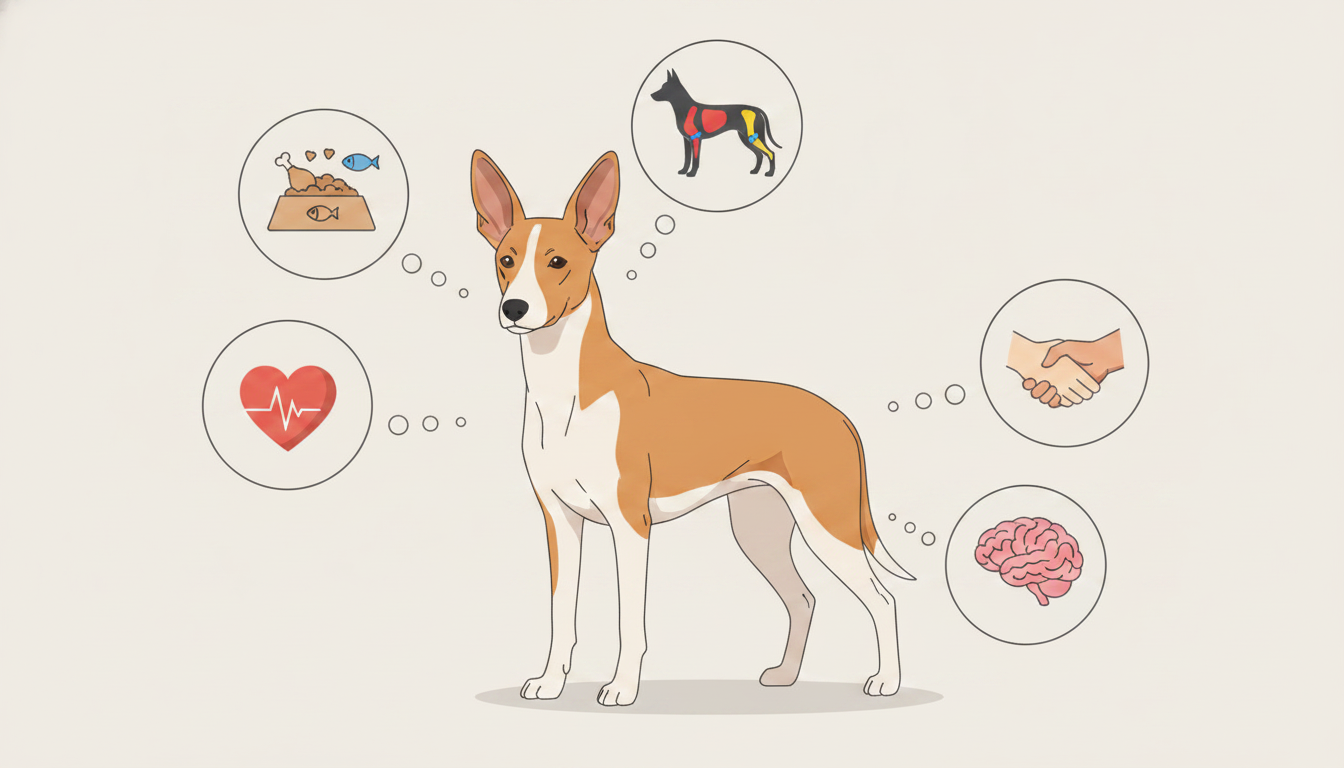
This programme teaches you how to see the dog as a complete being: body, brain, behaviour, gut, movement, health, history, environment, and emotional world. You learn to stabilise cases, prevent harm, identify red flags, understand what needs attention first, and guide guardians with clarity instead of guesswork.

This is whole‑dog triage, the missing link that brings everything together.

Across ten modules, you will learn how to observe deeply, assess accurately, communicate compassionately, and collaborate confidently with other professionals. You will leave with the skills to support complex cases, reduce overwhelm, and become the person guardians trust when things feel confusing or stuck.

This course is for people who want to work differently: slower, deeper, more connected, and with a level of understanding that transforms lives.


What You Will Learn

By the end of this programme, you will be able to:

Understand the role and identity of a Canine Triage Practitioner

Observe dogs with advanced skill, nuance, and accuracy

Read canine communication at a level that reveals subtle emotional and physical states

Identify what the dog wants you to see, the clues, compensations, and patterns that guide triage

Understand behaviour through a multidisciplinary lens

Assess gut health and recognise how it influences behaviour, emotion, and physical wellbeing

Understand canine movement and identify when it is affecting behaviour or comfort

Recognise common health issues from both allopathic and holistic perspectives

Understand trauma and grief in both dogs and humans

Take a full triage consult, support guardians effectively, and build your multidisciplinary team

You will leave with a framework that brings clarity to complex cases and gives you the confidence to support dogs in a way that finally makes sense of the whole picture.


Why This Course Is Different

Most canine courses teach one slice of the dog: behaviour, training, nutrition, movement, or health.
This course teaches you how to weave all of them together.

Triage is not about fixing behaviour.
It is about understanding the dog, stabilising the situation, preventing further harm, and guiding guardians toward the right support at the right time.

This programme is grounded in:

Whole‑dog understanding

Multidisciplinary collaboration

Needs‑led practice

Trauma‑informed communication

Compassionate, steady support

Real‑world cases and lived experience

It is the only course of its kind in the UK that teaches triage as a professional identity — not an add‑on, but a role in its own right.

Who This Course Is For
This programme is ideal for:

Dog trainers

Behaviourists

Vet nurses

Rescue workers

Bodyworkers

Nutrition practitioners

Holistic practitioners

Groomers

Walkers and daycare providers

Anyone who wants to understand dogs at a deeper, more integrated level

It is also perfect for those who feel that the current industry is too fragmented and want to be part of a more collaborative, compassionate future.

Course Structure

Write your awesome label here.
Self‑Paced Learning
Multi‑Format Learning for All Learners
Every module includes:
audio lessons
written content
videos
practical observation tasks
reflective exercises
You choose how you learn best.

Live Sessions (Recorded)
Live sessions are held by Rebecca and guest industry professionals.
Can’t attend live?
Every session is recorded and uploaded for you to watch whenever you need.

 Flexible Assignments
This course honours different learning styles.

Module Breakdown

Module 1:
What Is a Triage Practitioner?
This module introduces the identity, purpose, and scope of the Canine Triage Practitioner. You will learn what triage truly means in the canine world, how it fills the gaps between disciplines, and why this role is essential for reducing suffering, preventing unnecessary referrals, and supporting guardians who feel lost or overwhelmed. You will explore the ethics, boundaries, and responsibilities of triage work, and begin to understand the stabilisation‑first approach that underpins the entire programme.

Module 2: Advanced Observation Skills
Observation is the foundation of triage. In this module, you will learn how to see beyond the obvious and recognise the subtle indicators of discomfort, stress, pain, emotional strain, and environmental influence. You will develop the ability to observe without bias, interpret without assumption, and gather information that reveals the dog’s internal state with clarity and compassion.

Module 3: Advanced Canine Communication
Here you deepen your understanding of canine body language, emotional expression, and communication patterns. You will learn to read micro‑signals, transitional behaviours, displacement, coping strategies, and the nuanced ways dogs express both physical and emotional needs. This module teaches you to listen to the dog with your eyes, your intuition, and your knowledge.

Module 4: Seeing What the Dog Wants You to See
This module teaches you how to step back and let the dog lead. Through zoopharmacognosy, botanical self‑selection, and ACE Freework, you will learn how to create opportunities for the dog to show you what supports them, what soothes them, and what they are drawn toward. Instead of assuming, interpreting, or directing, you learn to offer choice, observe responses, and recognise the dog’s own attempts to regulate their body and nervous system.

Module 5: Understanding Behaviour in Multidisciplinary Work
In this module, you will learn how to understand behaviour. We begin by exploring the difference between normal canine behaviours that humans often misinterpret, and maladaptive behaviours that signal unmet needs, discomfort, pain, trauma, or environmental mismatch. You will learn what to expect at different life stages, from puppies to adolescents to seniors, and how developmental phases shape behaviour, coping capacity, and emotional expression.

We then explore the most common behaviour issues seen in modern dogs, examining their underlying causes rather than their surface presentation. This module also teaches you how to begin stabilising cases through simple, effective management strategies that reduce overwhelm, prevent escalation, and create the conditions for healing.

Module 6: Assessing Gut Health and Its Impact on the Whole Dog
The gut influences behaviour, emotion, immunity, movement, and overall wellbeing. This module teaches you canine anatomy and how to recognise signs of gut imbalance, understand the gut–brain axis, and identify when digestive issues may be contributing to behavioural or emotional struggles. You will learn how to support guardians in seeking appropriate help and making changes that stabilise the dog from the inside out.

Module 7: Understanding Canine Movement and Its Influence on Behaviour
In this module, you will learn how to recognise gait abnormalities, compensations, asymmetries, and subtle signs of discomfort that often present as behavioural issues. You will explore how pain, tension, and poor movement patterns affect emotional regulation, reactivity, sleep, and coping capacity. This module gives you the skills to identify when a dog needs physiotherapy, myotherapy, or veterinary assessment.

Module 8: Common Health Issues — Allopathic and Holistic Perspectives
This module gives you a broad understanding of common health conditions that influence behaviour and wellbeing. You will explore both allopathic and holistic perspectives, learning how different modalities approach chronic issues, pain, inflammation, and systemic imbalance. You will not diagnose, but you will learn to recognise red flags, understand pathways, and guide guardians toward the right professional support.

Module 9: Understanding Trauma and Grief — In Dogs and Humans
Trauma and grief shape behaviour, coping capacity, and emotional expression. This module explores trauma in dogs, trauma in guardians, and the relational impact between them. You will learn how to support families through difficult periods, recognise trauma responses, and create a safe, steady environment for healing. You will also explore compassion fatigue and emotional resilience in your own practice.

Module 10: Taking a Consult, Supporting Clients, and Building Your Multidisciplinary Team
In the final module, you bring everything together. You will learn how to take a full triage consult, structure your sessions, communicate clearly, and support guardians with empathy and confidence. You will explore how to build your multidisciplinary network, collaborate effectively, and create a practice that is sustainable, ethical, and grounded in whole‑dog understanding.

Write your awesome label here.

Created by

Rebecca Hanlon

Level 6 Certified Canine Behaviourist 
iPET Level 3 diploma Canine Nutrition 
Canine Aggression Specialist: courses with Michael Shikashio and The DoGenius Institute
Level 4 Diploma in Education and Training
Level 3 NVQ Health and Social Care
Person Centred planning facilitator
Tutor for The DoGenius Institute
In addition to being a Level 6 Canine Behaviourist, Rebecca is an experienced tutor and industry lead who has worked for over twenty years in people‑focused health, social care, and education, and for more than a decade in animal behaviour, rehabilitation, and welfare‑centred support. Her work spans curriculum design, professional training, community support, and the development of evidence‑informed, welfare‑first practice. 

Course Contributors/Still currently being added
Julia Robertson and The Galen Myotherapy team

Tracy Brind


Dr Andrea Breen

Nick Thompson

Nick Thompson is a UK holistic veterinary surgeon known for his work in raw feeding, integrative medicine, and founding the International Raw Feeding Veterinary Society (RFVS).

Dr Natalie Scott

Dr Teresa Tyler

Bethany Bell

Dr Lise Hansen

Created with